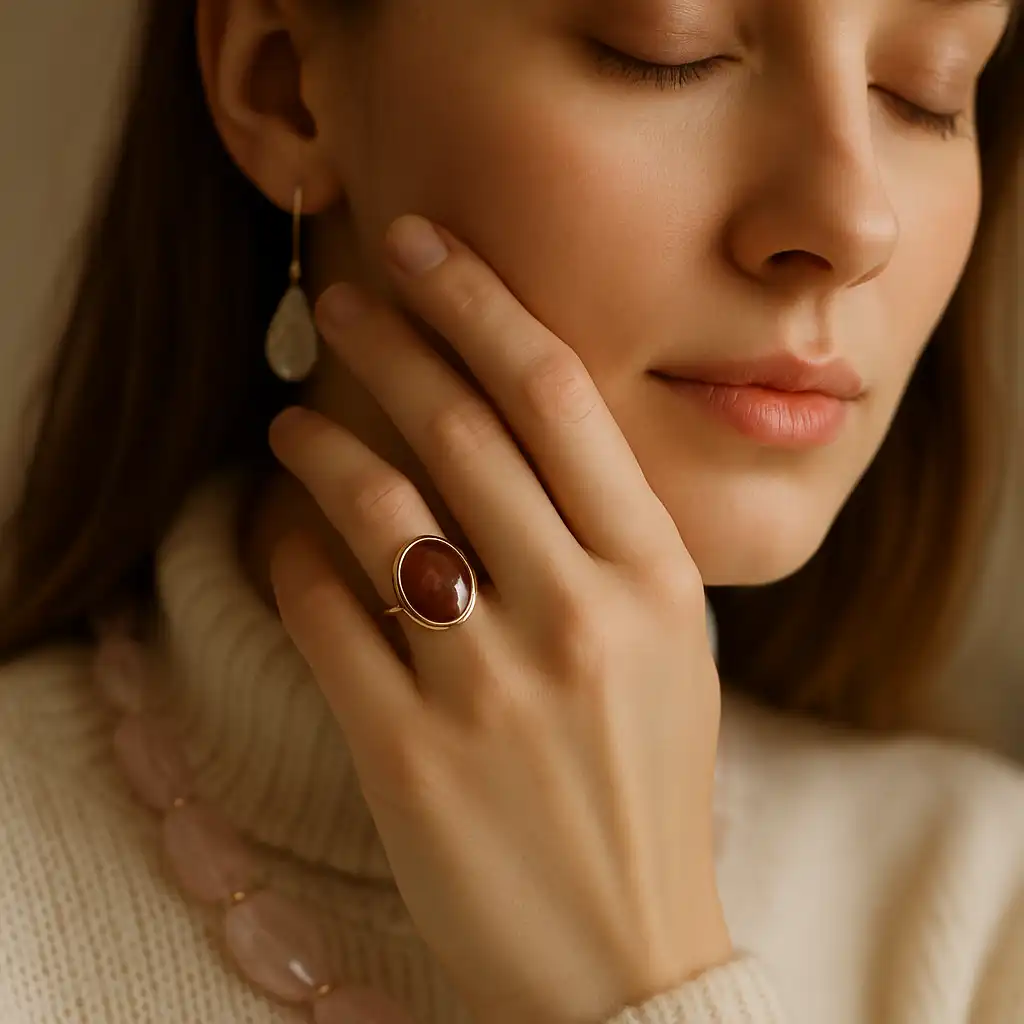
For those who adore the elegance of natural gemstones, understanding how temperature affects these precious materials is crucial, especially during the chilly winter months. With the cold weather upon us, it’s time to delve into how you can care for your beloved jewelry collection and ensure it remains as stunning as ever.
The Impact of Cold Temperatures on Gemstones
Natural gemstones, each with their unique composition, react differently to temperature changes. Some stones may contract, become brittle, or even change color when exposed to extreme cold. For example, opals, known for their moisture content, can crack in dry, cold environments.
Common Gemstones and Their Reactions
- Opals: Sensitive to sudden temperature fluctuations, opals require careful storage to avoid cracking.
- Emeralds: Known for internal fractures, they can become more pronounced in cold weather.
- Quartz: Generally stable, but extreme cold can make them brittle.
- Turquoise: Can lose moisture and change color if not properly maintained.
Expert Tips for Winter Jewelry Care
To keep your gemstones in pristine condition during the winter, consider these expert tips:
- Proper Storage: Store your jewelry in a temperature-controlled environment. Avoid leaving them in places exposed to cold drafts.
- Moisture Control: Use humidifiers in storage areas to prevent gem dehydration.
- Avoid Sudden Temperature Changes: Gradually acclimate your jewelry to room temperature if it’s been in the cold.
- Regular Cleaning: Clean your gemstones with a soft cloth to remove any residues that may have built up.
Conclusion
As a jewelry lover, embracing the enchanting beauty of natural gemstones requires understanding and adapting to their needs, especially in winter. By following these care tips, you can ensure that your treasured pieces remain vibrant and intact, ready to dazzle in any season.